

For every indie developer, launching a game on Steam is only half the battle. The other half is convincing enough players to care about your game before it releases.
This is where Steam wishlists become one of the most important metrics in indie game marketing.
A Steam wishlist isn’t just a bookmark—it signals player interest, influences Steam’s recommendation system, and can significantly impact your game’s visibility at launch. The more players who add your game to their wishlist before release, the more momentum you can generate during one of the most critical periods of your game’s lifecycle.
Many successful indie games didn’t become hits because of massive advertising budgets. Instead, they built strong communities months before launch, optimized their Steam Store pages, participated in Steam Next Fest, and consistently gave players reasons to click the Wishlist button.
Whether you’re a solo developer publishing your first title or a small studio preparing for launch, learning how to get more Steam wishlists before launch should be one of your highest priorities.
In this guide, you’ll learn why wishlists matter, how Steam uses them, and 15 practical strategies that can help you grow your audience before launch. Throughout the article, we’ll also use Velato, an upcoming poker roguelike, as a real-world example of how these strategies can work together.
Table of Contents
- Understanding Steam Wishlists
- 15 Ways to Get More Steam Wishlists Before Launch
- Advanced Wishlist Strategy
- Steam Wishlist Checklist
- Frequently Asked Questions
Understanding Steam Wishlists
Before discussing marketing strategies, it’s important to understand what a Steam wishlist actually is and why it plays such a significant role in the Steam ecosystem.
Many developers focus solely on follower counts or social media engagement. While those metrics are valuable, they don’t directly influence your Steam launch the way wishlists do.
Understanding the purpose of Steam wishlists will help you make smarter marketing decisions throughout development.
What Is a Steam Wishlist?
A Steam wishlist is a personalized list of games that a player intends to purchase or revisit in the future.
When someone clicks the “Add to Wishlist” button on your Steam Store page, they’re telling Steam that they’re interested in your game.
From the player’s perspective, wishlists provide several benefits:
- Receive notifications when the game launches.
- Get alerts about discounts.
- Keep track of upcoming releases.
- Build a personal library of anticipated games.
For developers, however, Steam wishlists are much more valuable.
Every wishlist represents a potential customer.
More importantly, Steam uses wishlist activity as one of many signals to understand player interest and determine how broadly a game should be shown across the platform.
That’s why learning how to get more Steam wishlists before launch is essential for every indie developer.
Why Steam Wishlists Matter
Many first-time developers underestimate the importance of wishlists.
After all, wishlists don’t generate revenue immediately.
However, they influence nearly every stage of your launch campaign.
A healthy wishlist count can help you:
- Build launch-day momentum.
- Increase player confidence.
- Improve conversion opportunities.
- Attract publishers and investors.
- Demonstrate market demand.
- Encourage creators to cover your game.
For many indie games, launch success depends on having a strong audience ready to purchase as soon as the game becomes available.
Steam wishlists are often the clearest indicator of that audience.
How the Steam Algorithm Uses Wishlists
Valve has never published the exact formula behind Steam’s recommendation system.
However, through Steamworks documentation, developer presentations, and years of industry observations, it’s widely understood that wishlists contribute to Steam’s overall understanding of player interest.
Steam considers numerous engagement signals, including:
- Store page visits.
- Wishlist additions.
- Demo downloads.
- Game follows.
- Trailer views.
- User engagement.
- Purchases after launch.
- Reviews and player activity.
Rather than acting as a standalone ranking factor, wishlists work alongside these signals to help Steam identify games that are attracting genuine interest.
For this reason, developers shouldn’t chase wishlists in isolation—they should focus on creating a compelling Steam Store page and marketing campaign that naturally encourages players to wishlist the game.
When Should You Start Collecting Steam Wishlists?
One of the most common mistakes developers make is waiting until a few weeks before launch to think about marketing.
By then, you’ve already missed months of valuable exposure.
Ideally, you should begin collecting Steam wishlists as soon as your Steam Store page is polished enough to represent your game professionally.
Many successful indie studios publish their Store page six to twelve months before launch.
This gives them enough time to:
- Improve search visibility.
- Build community awareness.
- Participate in Steam Next Fest.
- Gather player feedback.
- Optimize marketing assets.
- Grow their wishlist count steadily.
Launching your Steam Store page early also allows you to test which marketing channels drive the most traffic.
How Many Steam Wishlists Do You Need?
This is one of the most frequently asked questions in indie game marketing.
Unfortunately, there isn’t a universal number.
The ideal wishlist count depends on factors such as:
- Your game’s genre.
- Competition.
- Price.
- Marketing budget.
- Community size.
- Conversion rate.
Rather than chasing a specific number, focus on building consistent momentum.
For example:
| Wishlist Count | Typical Stage |
|---|---|
| 1,000 | Early validation and initial community interest. |
| 5,000 | Strong foundation for a small indie launch. |
| 10,000+ | Often enough to generate meaningful launch momentum if conversion rates are healthy. |
| 50,000+ | High visibility potential, especially when supported by creator coverage and media attention. |
These figures are general benchmarks rather than guarantees. Some niche games succeed with fewer wishlists, while others require significantly more due to their genre or pricing.
The key is to improve the quality of your audience, not just the quantity.
Common Steam Wishlist Myths
As developers begin researching how to get more Steam wishlists before launch, they often encounter misleading advice.
Let’s clear up some of the most common myths.
Myth #1: More Wishlists Automatically Mean More Sales
Wishlists increase your chances of a successful launch, but they don’t guarantee purchases.
A poorly optimized Store page, weak trailer, or disappointing demo can still lead to low conversion rates.
Myth #2: You Need Paid Ads to Get Wishlists
Paid advertising can help, but many successful indie games generate thousands of wishlists through:
- Steam Next Fest.
- Organic social media.
- YouTube creators.
- Community building.
- Press coverage.
- Word-of-mouth marketing.
Myth #3: Steam Next Fest Guarantees Wishlists
Participating in Steam Next Fest increases your exposure, but success depends on preparation.
Games with polished demos, compelling trailers, and optimized Steam Store pages consistently outperform those that simply register for the event.
Myth #4: Social Media Followers Equal Steam Wishlists
Having a large audience on social media doesn’t necessarily translate into Steam wishlists.
Your content still needs to encourage players to visit your Steam Store page and take action.
Clicks matter more than impressions.
Case Study: Building Steam Wishlists for Velato
Imagine the developers behind Velato are preparing for launch.
Instead of waiting until release month, they publish their Steam Store page several months in advance.
During this period, the team focuses on improving every player-facing asset:
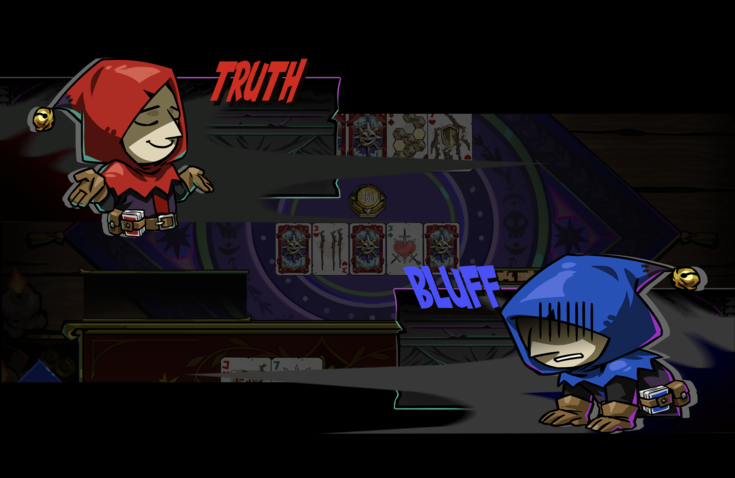
- A distinctive capsule art that immediately communicates the game’s poker roguelike identity.
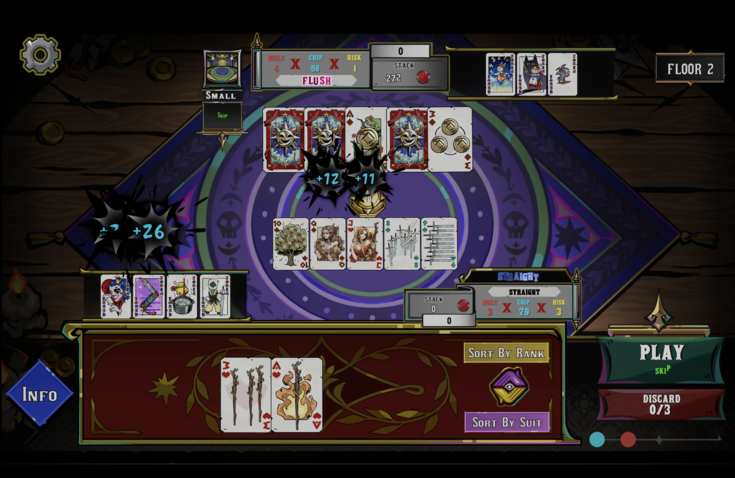
- A gameplay trailer that showcases bluffing mechanics within the first few seconds.
- Optimized Steam tags to improve discoverability.
- A playable demo prepared for Steam Next Fest.
- Regular development updates shared through Steam News and social media.
Each marketing activity drives more players back to the Steam Store page, where the ultimate goal is simple: encourage them to click Add to Wishlist.
Rather than relying on a single marketing event, Velato builds its wishlist count gradually through consistent improvements and community engagement.
This steady approach creates stronger long-term momentum than a short burst of advertising just before launch.
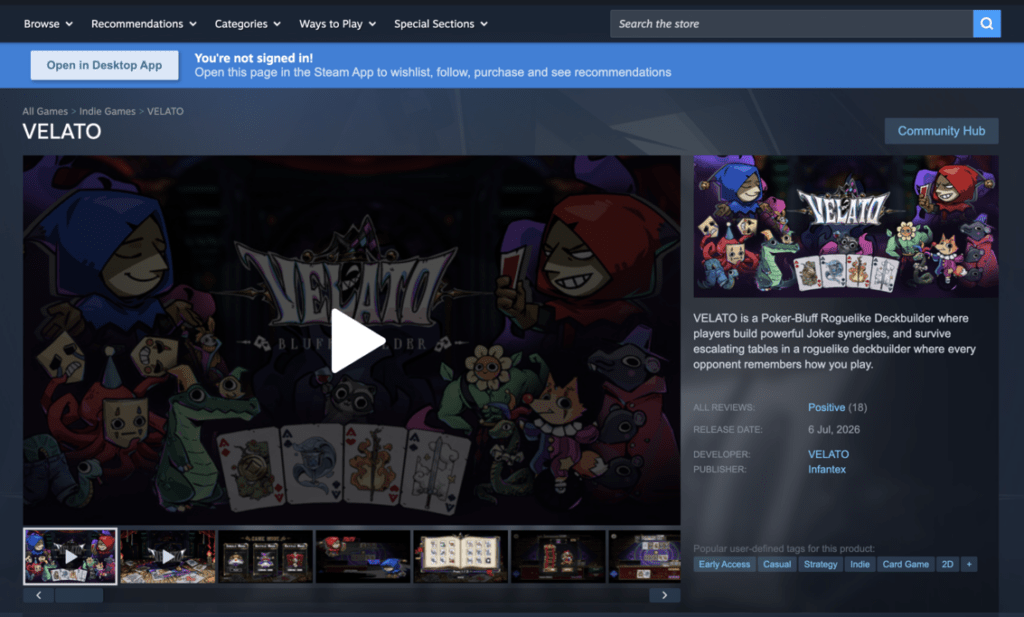
Velato Steam Page: https://store.steampowered.com/app/4542750/VELATO/
15 Ways to Get More Steam Wishlists Before Launch
Now that you understand why wishlists matter, it’s time to focus on what actually moves the needle.
There isn’t a single trick that will instantly generate thousands of Steam wishlists. Instead, successful indie developers combine multiple marketing channels into one cohesive strategy.
Each tactic reinforces the others. A compelling trailer brings players to your Steam Store page. Strong capsule art encourages clicks. A polished demo builds confidence, while Steam Next Fest and content creators amplify your reach.
The following 15 strategies are among the most effective ways to answer the question: how to get more Steam wishlists before launch.
Strategy #1: Publish Your Steam Store Page Early
One of the biggest mistakes developers make is waiting until the game is nearly finished before publishing their Steam Store page.
Doing so significantly reduces the amount of time available to build Steam wishlists.
Ideally, your Steam Store page should go live six to twelve months before launch.
Publishing early gives you time to:
- Collect Steam wishlists gradually.
- Improve search visibility.
- Participate in Steam Next Fest.
- Gather community feedback.
- Test different marketing channels.
- Update your Store page based on player responses.
Remember that your Steam Store page is the destination for nearly every marketing campaign you run.
Strategy #2: Design Capsule Art That Earns Clicks
Before players read your description or watch your trailer, they see your capsule art.
Your capsule art determines whether someone clicks your game in search results, recommendation lists, or Steam festivals.
High-performing capsule art should:
- Be recognizable at small sizes.
- Clearly communicate your game’s genre.
- Feature strong contrast.
- Avoid excessive text.
- Maintain consistent branding.
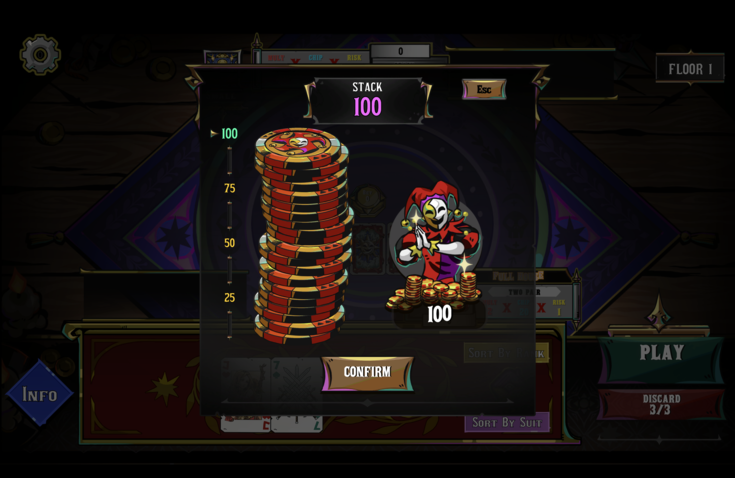
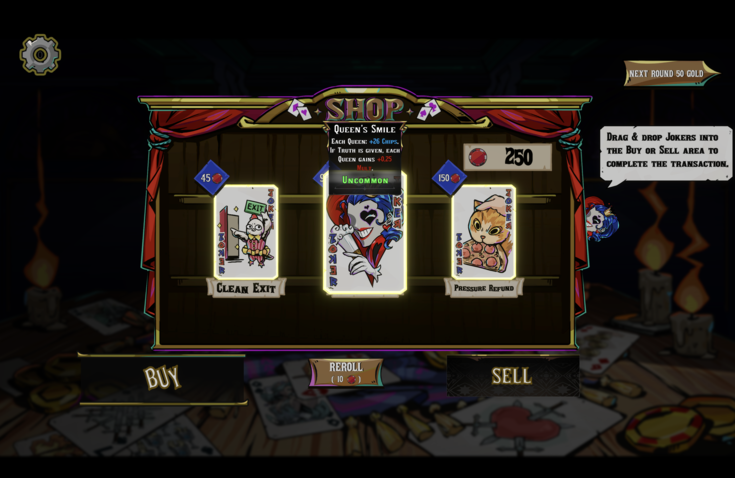
For example, Velato uses bold typography, memorable fantasy characters, and a distinctive poker-inspired visual style that immediately differentiates it from other roguelikes.
Better click-through rates create more Store page visits, which ultimately lead to more Steam wishlists.
Strategy #3: Produce a Gameplay-First Trailer
Your trailer should answer one question within the first few seconds:
Why should someone play this game?
Avoid spending the opening moments on studio logos or cinematic sequences.
Instead:
- Show gameplay immediately.
- Demonstrate your core mechanics.
- Highlight unique features.
- Keep pacing fast.
- End with a clear Wishlist CTA.
A gameplay-focused trailer builds trust because players know exactly what they’re getting.
Strategy #4: Create a Demo That Leaves Players Wanting More
A demo is one of the strongest tools for increasing Steam wishlists.
Players who enjoy your demo are much more likely to wishlist the full game than players who only watch a trailer.
An effective demo should:
- Introduce the core gameplay within minutes.
- End on a satisfying cliffhanger.
- Showcase your unique mechanics.
- Avoid overwhelming players with lengthy tutorials.
- Be polished and stable.
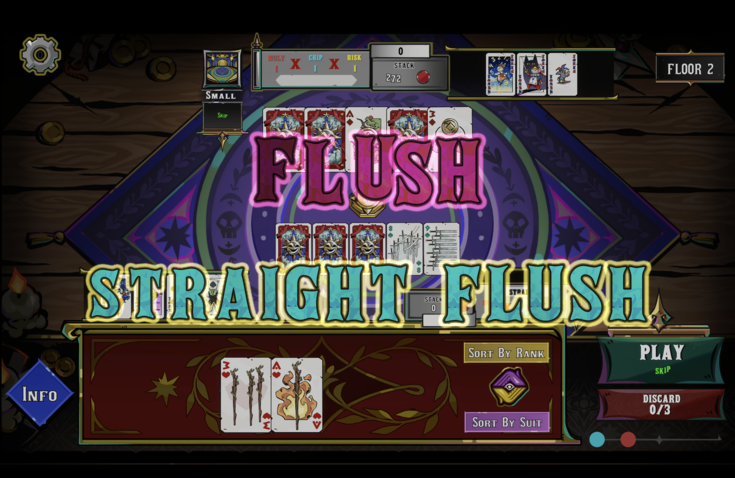
For Velato, a demo might introduce bluff-based poker combat, a handful of roguelike encounters, and a small selection of cards—just enough to hook players without revealing the full progression system.
Strategy #5: Participate in Steam Next Fest
Few events generate as much organic visibility as Steam Next Fest.
Thousands of players actively browse upcoming games during the festival, making it one of the best opportunities to collect Steam wishlists before launch.
To maximize your results:
- Prepare your demo well in advance.
- Optimize your Steam Store page.
- Schedule developer livestreams.
- Promote your participation across social media.
- Update your demo based on player feedback.
Steam Next Fest works best when it’s integrated into a broader marketing strategy rather than treated as a standalone event.
Strategy #6: Choose Better Steam Tags
Steam tags influence how your game is categorized and discovered.
Selecting accurate tags improves the quality of the traffic reaching your Steam Store page.
Instead of chasing popular tags, prioritize relevance.
For Velato, tags such as:
- Roguelike
- Deckbuilder
- Strategy
- Card Battler
- Fantasy
are more valuable than broad, unrelated categories that attract players unlikely to enjoy the game.
Relevant traffic converts into Steam wishlists at a much higher rate.
Strategy #7: Optimize Your Steam Store Page for Conversion
Driving traffic is only half the battle.
Once players arrive on your Steam Store page, every element should encourage them to click Add to Wishlist.
Review your page carefully.
Does it include:
- A compelling short description?
- Clear feature bullets?
- Updated screenshots?
- A strong gameplay trailer?
- Accurate Steam tags?
- Professional branding?
A polished Store page often converts significantly better than one assembled at the last minute.
Strategy #8: Reach Out to YouTubers and Streamers
Many indie games experience their biggest wishlist spikes after being featured by creators.
Start building relationships several weeks—or even months—before launch.
When contacting creators:
- Personalize every email.
- Explain why your game fits their audience.
- Include your Steam Store page.
- Provide access to the demo.
- Attach a press kit.
Avoid sending generic mass emails.
Thoughtful outreach is far more effective.
Strategy #9: Build an Active Discord Community
Discord is one of the best platforms for nurturing long-term supporters.
Instead of treating it as a promotional channel, use it to build genuine relationships.
Share:
- Development updates.
- Community polls.
- Exclusive screenshots.
- Behind-the-scenes content.
- Patch notes.
- Demo announcements.
A passionate Discord community often becomes your strongest source of early Steam wishlists.
Strategy #10: Post Consistently on Social Media
You don’t need millions of followers to succeed.
Consistency matters more than viral success.
Content ideas include:
- Gameplay GIFs.
- Short videos.
- Development progress.
- New mechanics.
- Character reveals.
- Funny bugs.
- Community highlights.
Every post should encourage interested players to visit your Steam Store page and add the game to their wishlist.
Strategy #11: Publish Regular Devlogs
Developer blogs help establish credibility while improving your website’s SEO.
Topics might include:
- Art direction.
- Technical challenges.
- Gameplay systems.
- Music production.
- Design philosophy.
- Development milestones.
For Velato, articles explaining bluff mechanics or poker-inspired game design can attract players searching for roguelike strategy games while naturally directing them to the Steam Store page.
Strategy #12: Run a Public Playtest
If your game supports it, a Steam Playtest can generate valuable feedback before launch.
Benefits include:
- Identifying bugs.
- Improving balance.
- Stress-testing multiplayer features.
- Gathering testimonials.
- Building community engagement.
Players who enjoy the playtest are often eager to add the game to their Steam wishlists.
Strategy #13: Collect and Showcase Player Feedback
Positive player comments build trust.
With permission, highlight:
- Community quotes.
- Streamer reactions.
- Demo impressions.
- Playtest testimonials.
- Creator reviews.
Featuring authentic feedback on social media or your website reinforces your game’s credibility.
Strategy #14: Keep Updating Your Steam Store Page
Your Steam Store page should evolve alongside development.
Regularly refresh:
- Screenshots.
- Trailers.
- Feature descriptions.
- Localization.
- News posts.
- Artwork.
An actively maintained Store page signals that your game is progressing and gives returning visitors fresh reasons to wishlist it.
Strategy #15: Build an Integrated Marketing Funnel
The most successful indie games don’t rely on a single platform.
Instead, every marketing channel feeds into the same goal: driving players to the Steam Store page.
A simple funnel looks like this:
Social Media
        ↓
YouTube & Twitch
        ↓
Steam Next Fest
        ↓
Steam Store Page
        ↓
Demo Download
        ↓
Steam Wishlist
        ↓
Launch Day Purchase
Each step should naturally guide players toward the next, reducing friction and increasing conversions.
Case Study: Growing Steam Wishlists for Velato
Imagine the Velato team begins marketing nine months before launch.
First, they publish a polished Steam Store page with updated capsule art, gameplay screenshots, and a gameplay-first trailer. They then start sharing weekly development updates across their website, social media channels, and Discord.
Several months before release, the team launches a public demo and participates in Steam Next Fest, encouraging players to try the game and provide feedback. They also reach out to roguelike content creators, who begin showcasing Velato’s unique bluffing mechanics.
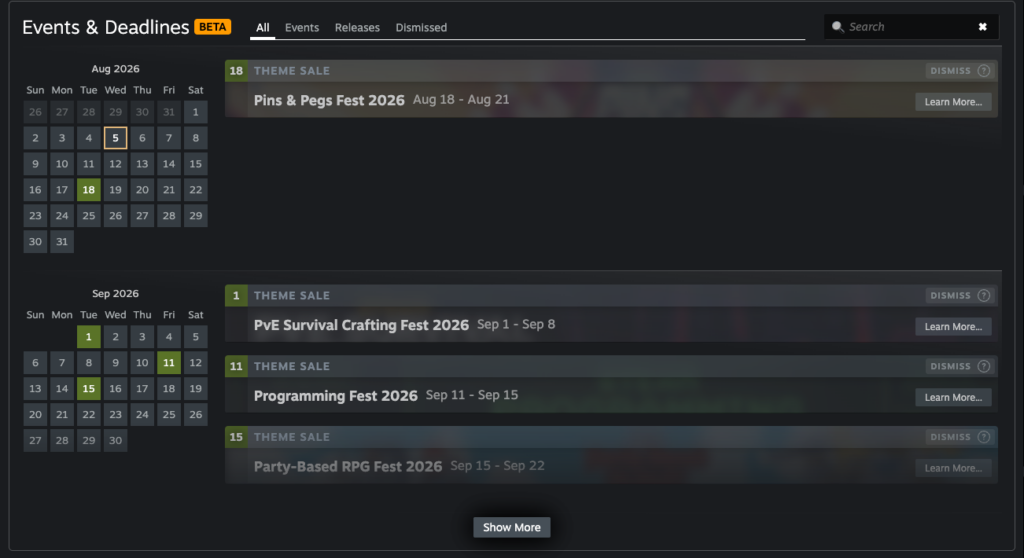
Each campaign directs players back to the Steam Store page, where consistent branding, engaging visuals, and a clear value proposition encourage visitors to click Add to Wishlist.
Rather than relying on one viral moment, Velato builds Steam wishlists through steady, coordinated marketing over time.
Advanced Wishlist Strategy
Growing Steam wishlists is only part of the equation.
The real objective is to convert those wishlists into purchases when your game launches. To do that, you need to understand how players move from discovering your game to becoming paying customers.
This final section covers advanced strategies for optimizing your wishlist funnel, measuring success, avoiding common mistakes, and preparing for launch.
Understanding the Steam Wishlist Funnel
Every player follows a journey before purchasing your game.
Some discover your game through Steam recommendations, while others arrive from YouTube, social media, or Steam Next Fest. Regardless of where they come from, their path usually follows the same pattern.
Steam Discovery
        ↓
Steam Store Page Visit
        ↓
Watch Trailer
        ↓
View Screenshots
        ↓
Read Description
        ↓
Add to Wishlist
        ↓
Launch Notification
        ↓
Purchase
Every stage in this funnel affects the next.
If your capsule art doesn’t attract clicks, fewer players visit your Store page.
If your trailer is weak, fewer visitors add your game to their wishlist.
If your demo disappoints players, fewer wishlists convert into purchases.
Instead of optimizing only one element, think of your Store page as a complete conversion funnel.
Measure the Metrics That Actually Matter
Many developers focus on vanity metrics such as social media likes or video views.
While these numbers can indicate interest, they don’t necessarily translate into Steam wishlists.
Instead, track metrics that directly influence your launch.
Important metrics include:
- Steam Store page visitors
- Wishlist additions
- Wishlist conversion rate
- Demo downloads
- Trailer watch time
- Click-through rate (CTR)
- Traffic sources
- Steam Next Fest performance
- Creator-driven traffic
- Wishlist growth by week
Monitoring these metrics helps you identify which marketing activities are producing real results.
Calculate Your Wishlist Conversion Rate
One useful way to evaluate your Steam Store page is by measuring how many visitors actually add your game to their wishlist.
A simple formula is:
Wishlist Conversion Rate =
(Number of Wishlists ÷ Store Page Visitors) × 100
For example:
20,000 Store Page Visitors

↓

4,000 Wishlists

↓

Conversion Rate = 20%
If your conversion rate is lower than expected, review your Store page.
Ask yourself:
- Does the capsule art stand out?
- Does the trailer explain the gameplay quickly?
- Are the screenshots compelling?
- Is the short description clear?
- Does the page communicate your game’s unique selling point?
Small improvements across these elements can significantly increase conversion.
Identify Where Your Traffic Comes From
Not all traffic is equally valuable.
For example, visitors arriving from a roguelike YouTuber are generally more likely to wishlist a roguelike game than visitors from a broad gaming news site.
Common traffic sources include:
- Steam Discovery Queue
- Steam Search
- Steam Next Fest
- YouTube
- Twitch
- Discord
- X (formerly Twitter)
- Bluesky
- Google Search
- Gaming news websites
Understanding which channels generate the highest-quality visitors allows you to invest more time where it matters most.
Continue Marketing After Steam Next Fest
Many developers stop promoting their game once Steam Next Fest ends.
This is a missed opportunity.
The visibility generated during the festival can continue producing Steam wishlists for months if you maintain momentum.
Consider:
- Publishing development updates.
- Releasing new screenshots.
- Updating your trailer.
- Sharing community feedback.
- Posting devlogs.
- Highlighting creator videos.
- Participating in additional online events.
Every update provides another reason for players to revisit your Steam Store page.
Build Long-Term Community Trust
Players are more likely to wishlist—and eventually purchase—a game from developers who communicate consistently.
Maintain an active presence by:
- Posting regular development updates.
- Responding to Steam Discussions.
- Sharing roadmap progress.
- Explaining design decisions.
- Acknowledging community feedback.
Trust compounds over time.
A supportive community also becomes your most effective marketing channel through word of mouth.
Case Study: A Long-Term Wishlist Strategy for Velato
Imagine the Velato team has accumulated a healthy number of Steam wishlists after participating in Steam Next Fest.
Instead of slowing down, they continue improving the game’s Steam Store page by replacing older screenshots, publishing gameplay updates, and refining their trailer based on player feedback.
They release monthly development blogs explaining new bluffing mechanics, highlight community-created gameplay clips, and maintain regular communication through Discord and Steam announcements.
As launch approaches, returning visitors see an actively developed project rather than a dormant Store page.
This sustained engagement helps transform existing wishlists into launch-day purchases while continuing to attract new players.
Common Mistakes That Reduce Steam Wishlists
Many developers unknowingly limit their wishlist growth by making avoidable mistakes.
Here are some of the most common pitfalls.
1. Publishing the Store Page Too Late
Waiting until a few weeks before launch leaves little time to build visibility or collect Steam wishlists.
2. Weak Capsule Art
If players don’t click your capsule, they never reach your Store page.
Invest in professional artwork that communicates your genre immediately.
3. Slow Trailers
Players want gameplay, not lengthy intros.
Show your core mechanic within the first few seconds.
4. Poor Steam Tags
Choosing inaccurate tags attracts the wrong audience and reduces conversion.
Use tags that genuinely describe your game.
5. Ignoring Your Steam Store Page
Your Store page is a living marketing asset.
Refresh screenshots, trailers, descriptions, and news posts throughout development.
6. Launching an Unpolished Demo
A buggy or confusing demo can hurt player confidence and reduce Steam wishlists.
Only release a demo when it reflects the quality of your game.
7. Depending on a Single Marketing Channel
No platform guarantees success.
Combine:
- Steam SEO
- Steam Next Fest
- YouTube
- Discord
- Social media
- Press outreach
- Developer blogs
A diversified strategy is more resilient.
40-Point Steam Wishlist Checklist
Steam Store Page
- □ Publish early.
- □ Design professional capsule art.
- □ Upload high-quality screenshots.
- □ Create a gameplay-first trailer.
- □ Write a compelling short description.
- □ Optimize your long description.
- □ Select accurate Steam tags.
- □ Complete system requirements.
- □ Support multiple languages where possible.
- □ Keep branding consistent.
Read more:
- How to Create a Steam Demo
- Steam Page SEO Checklist: 50 Proven Ways to Optimize Your Store Page
- Steam Tags Explained: How to Choose the Best Tags for Your Indie Game
- Steam Trailer Best Practices: Create Trailers That Turn Views Into Wishlists
- Steam Capsule Art Guide: Design Tips That Increase Click-Through Rate
Marketing
- □ Build a website.
- □ Publish developer blogs.
- □ Create a press kit.
- □ Contact YouTubers.
- □ Reach out to streamers.
- □ Build a Discord community.
- □ Share gameplay clips regularly.
- □ Post on social media consistently.
- □ Participate in Steam Next Fest.
- □ Announce major milestones.
Demo
- □ Introduce gameplay quickly.
- □ Keep the demo polished.
- □ Optimize performance.
- □ Test controllers.
- □ Remove critical bugs.
- □ End with a Wishlist reminder.
- □ Gather player feedback.
- □ Update based on feedback.
- □ Monitor analytics.
- □ Improve onboarding.
Before Launch
- □ Refresh screenshots.
- □ Update your trailer.
- □ Publish Steam announcements.
- □ Continue community engagement.
- □ Track wishlist growth.
- □ Review conversion metrics.
- □ Optimize your Store page.
- □ Schedule creator coverage.
- □ Finalize launch marketing.
- □ Thank your community.
Frequently Asked Questions
How early should I publish my Steam Store page?
Most successful indie developers publish their Steam Store page between six and twelve months before launch to maximize visibility and begin collecting Steam wishlists early.
Do Steam wishlists guarantee sales?
No.
Steam wishlists indicate purchase intent, but actual sales depend on factors such as pricing, reviews, launch visibility, and the quality of your game.
Is Steam Next Fest the best way to get Steam wishlists?
Steam Next Fest is one of the strongest opportunities available, but it works best when combined with an optimized Steam Store page, a polished demo, creator outreach, and consistent marketing.
Should I focus on social media or Steam?
Use social media to drive traffic, but treat your Steam Store page as the destination.
Ultimately, your goal is to convert visitors into Steam wishlists.
Can solo developers compete with larger studios?
Absolutely.
Many successful indie games are created by solo developers or very small teams. A focused marketing strategy, consistent communication, and a polished Steam Store page often have a greater impact than team size.
Final Thoughts
If there’s one lesson to take away from this guide, it’s that there is no single shortcut for how to get more Steam wishlists before launch.
Successful games build wishlists through a combination of smart planning, high-quality presentation, and consistent marketing over many months.
Every improvement to your capsule art, trailer, screenshots, demo, Steam Store page, or community engagement contributes to stronger discoverability and higher conversion rates.
Using Velato as an example, we’ve seen how an indie team can steadily grow Steam wishlists by publishing an optimized Store page early, participating in Steam Next Fest, creating a polished demo, working with creators, and maintaining active communication with the community.
Remember, a wishlist is more than a number—it represents a player who has shown genuine interest in your game. Treat every wishlist as the beginning of a relationship, continue delivering value, and you’ll give your game the best possible chance of a successful launch.
Related Posts
- What Is an Indie Game?
- Velato: A Poker Roguelike Worth Watching
- After Balatro: 5 Roguelike Card Games Following the Poker Revolution — And Why Velato Could Be the Next Big Hit?
References
Steamworks Documentation – Store Page
https://partner.steamgames.com/doc/store
Steamworks Documentation – Visibility & Marketing
https://partner.steamgames.com/doc/marketing/visibility
Steamworks Documentation – Steam Next Fest
https://partner.steamgames.com/doc/marketing/upcoming_events/nextfest
Steamworks Documentation – Demo Setup
https://partner.steamgames.com/doc/store/application/demos
SteamDB
https://steamdb.info/
GameDiscoverCo
https://newsletter.gamediscover.co/
HowToMarketAGame
https://howtomarketagame.com/
VG Insights
https://vginsights.com/