

If you’ve recently heard people talking about Balatro, Slay the Spire, or the upcoming Velato, you’ve probably encountered the term roguelike card game.
At first glance, these games may look like ordinary card games. However, beneath their simple appearance lies one of the deepest strategy genres in modern gaming.
In this beginner-friendly guide, you’ll learn exactly what a roguelike card game is, how the genre works, why millions of players love it, and which games are worth trying in 2026.
What Is a Roguelike Card Game?
A roguelike card game is a video game that combines:
- Card-based gameplay
- Procedural (randomly generated) runs
- Permanent run failure (or significant punishment)
- Strategic deck building
- High replayability
Instead of starting every playthrough with the same cards or enemies, each run generates:
- Different rewards
- Different enemies
- Different maps
- Different card choices
- Different relics or upgrades
This means every run feels unique, even after hundreds of hours.
That unpredictability is the core reason the genre has exploded in popularity over the past decade.
Roguelike vs Roguelite: What’s the Difference?
Many players use these terms interchangeably, but they are technically different.
| Roguelike | Roguelite |
|---|---|
| Permanent death | Usually permanent death |
| Little or no permanent progression | Often includes permanent unlocks |
| Every run starts from scratch | Future runs become easier through progression |
| Inspired by the classic game Rogue | Uses Rogue-inspired mechanics |
Most modern card games—including Balatro, Slay the Spire, and Velato—are actually considered roguelites, although the community often refers to the entire genre as roguelike card games.
What Is a Roguelike Deckbuilder?
A roguelike deckbuilder is a subgenre where your deck changes continuously during each run.
Instead of building a deck before starting, you gradually create it by:
- Winning battles
- Choosing new cards
- Removing weak cards
- Buying upgrades
- Collecting relics
- Finding powerful synergies
Unlike traditional collectible card games, success depends less on owning rare cards and more on adapting to random situations.
That’s why experienced players often say:
“The best deck is the one you build with the cards you’re given.”
The Core Gameplay Loop
Most roguelike deckbuilders follow a similar gameplay cycle:
1. Start With a Small Deck
Players usually begin with:
- Basic attacks
- Basic defense cards
- Simple abilities
The starting deck is intentionally weak.
2. Fight Enemies
Each battle rewards you with choices rather than fixed upgrades.
Typical rewards include:
- New cards
- Currency
- Relics
- Consumables
Every choice shapes your strategy.
3. Improve Your Deck
The most important decision isn’t always adding cards.
Sometimes the strongest move is:
- Removing bad cards
- Skipping rewards
- Saving currency
Deck consistency often matters more than deck size.
4. Face Increasing Difficulty
Enemies become stronger throughout each run.
Bosses usually require completely different strategies than normal encounters.
Players must constantly adapt rather than relying on one perfect combo.
5. Lose… Then Learn
Failure is expected.
Instead of being frustrating, every defeat teaches:
- Better deck construction
- Better path choices
- Better resource management
This “learn through failure” philosophy is one of the defining characteristics of roguelike games.
Why Are Roguelike Card Games So Addictive?
Several design principles keep players coming back.
Every Run Feels Different
Randomized encounters mean no two games are identical.
Even experienced players can’t memorize one winning strategy.
Endless Strategic Possibilities
Great games encourage experimentation.
One run might focus on:
- Poison
- Critical hits
- Summons
- Economy
- Infinite combos
The next run may force an entirely different playstyle.
Small Decisions Matter
Choosing between:
- one new card
- one relic
- removing a weak card
can completely change the outcome of a run.
The genre rewards thoughtful decision-making far more than fast reflexes.
Short Sessions
Most runs last between:
- 30 minutes
- 60 minutes
- 90 minutes
That makes roguelike deckbuilders perfect for quick gaming sessions.
Best Roguelike Card Games for Beginners (2026)
1. Slay the Spire
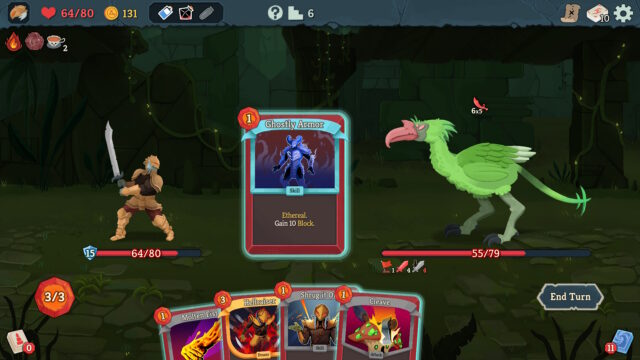
Often considered the game that defined the modern roguelike deckbuilder.
Why it’s great:
- Excellent balance
- Four unique characters
- Hundreds of cards
- Deep strategic gameplay
- Extremely high replay value
Even in 2026, many critics still describe it as the benchmark for the genre.
2. Balatro
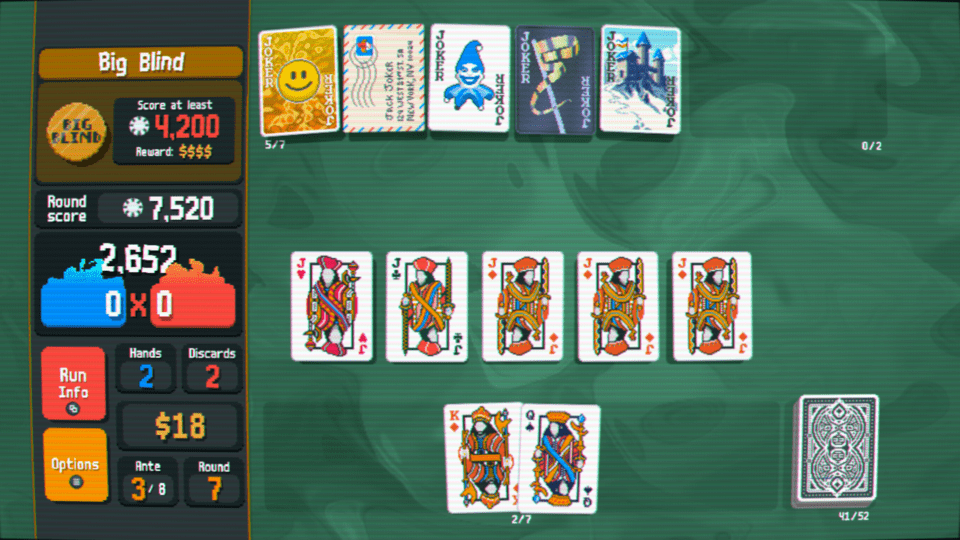
Balatro became one of the biggest indie gaming sensations by mixing poker with roguelike deckbuilding.
Instead of defeating monsters with swords, players create increasingly powerful poker hands enhanced by Joker cards and modifiers.
Its elegant scoring system and endless combinations make it highly accessible for newcomers.
3. Velato
Velato is one of the newest indie roguelike games attracting attention in 2026.
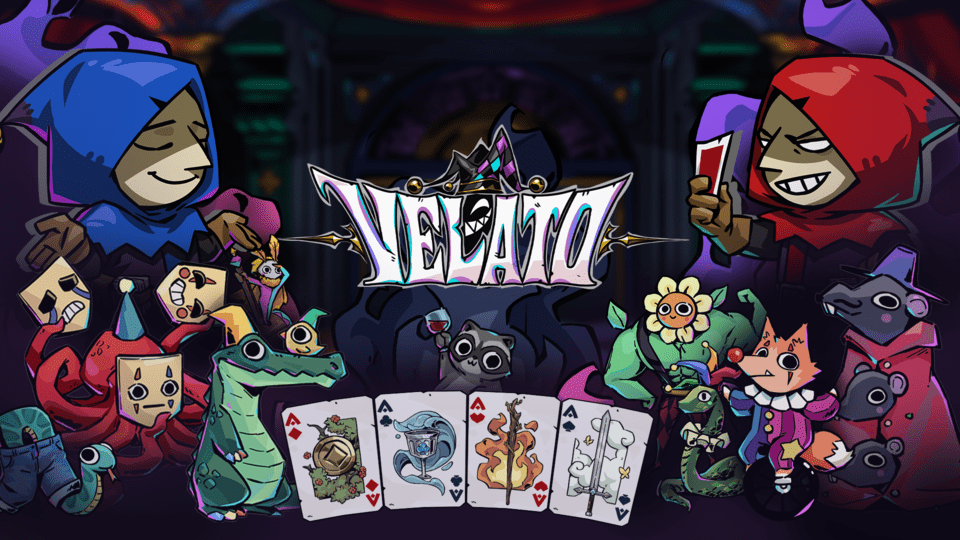
Rather than simply copying existing deckbuilders, Velato explores bluffing mechanics and poker-inspired strategy, creating a fresh twist on the genre. While still early in its lifecycle, it has already sparked interest among fans looking for alternatives to Balatro-style gameplay.

Velato is now available on Steam – Try on now!
https://store.steampowered.com/app/4542750/VELATO/
Common Mistakes Beginners Make
Taking Every Card
A larger deck isn’t always stronger.
The best players often skip mediocre rewards.
Ignoring Synergy
Strong individual cards don’t automatically create a strong deck.
Winning decks usually revolve around one or two powerful interactions.
Spending Resources Too Early
Saving currency for better relics or upgrades often produces stronger long-term results.
Following One Strategy Every Run
Random generation means flexibility beats rigid planning.
Learning when to pivot is a core skill.
Is Poker Experience Necessary?
No.
Games like Balatro and Velato use poker as inspiration, but they emphasize:
- probability
- optimization
- strategic planning
rather than real-world gambling.
Most successful players learn everything they need while playing.
Why the Genre Keeps Growing
The success of indie titles has transformed roguelike deckbuilders from a niche genre into one of gaming’s most innovative categories.
Recent years have seen:
- Slay the Spire inspire hundreds of developers.
- Balatro introduce millions of new players to deckbuilding.
- Velato and other indie roguelike games experiment with bluffing, poker mechanics, and new strategic systems.
The genre continues to evolve because procedural generation allows developers to create nearly endless replayability without requiring massive open worlds or expensive live-service content.
Final Thoughts
A roguelike card game is much more than a digital card game. It’s a genre built around adaptation, experimentation, and strategic decision-making.
Whether you’re climbing towers in Slay the Spire, building absurd poker combinations in Balatro, or exploring fresh mechanics in Velato, every run tells a different story.
If you’re completely new to the genre, start with one game, embrace failure, and focus on learning rather than winning. Before long, you’ll understand why roguelike deckbuilders have become one of the most beloved genres in modern indie gaming.
FAQ
What is a roguelike card game?
A roguelike card game combines card-based gameplay with procedurally generated runs, strategic deckbuilding, and high replayability. Every playthrough presents new challenges and rewards.
What is the difference between a roguelike deckbuilder and a card game?
Traditional card games use fixed decks, while roguelike deckbuilders require players to build and adapt their decks during each run based on random events.
Is Balatro a roguelike card game?
Yes. Balatro is widely recognized as a poker-inspired roguelike deckbuilder featuring randomized runs, deck customization, and strategic progression.
Is Velato similar to Balatro?
Velato shares roguelike deckbuilding elements with Balatro but introduces its own mechanics centered on poker bluffing and strategic decision-making, giving it a distinct identity.
Read more about Velato here: https://blog.velato.click/velato-the-first-actual-poker-bluffing-roguelike/